EXPLORE THE BLOG
christopher Norment
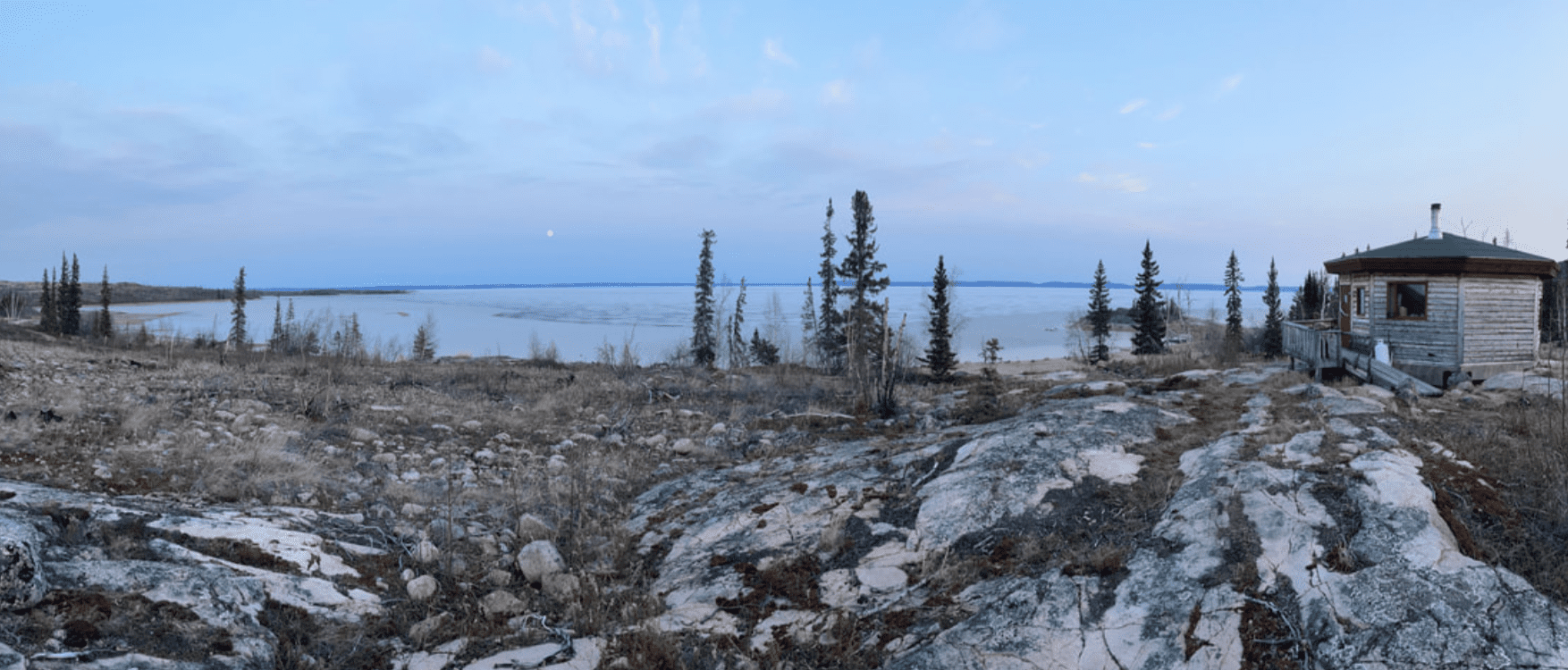
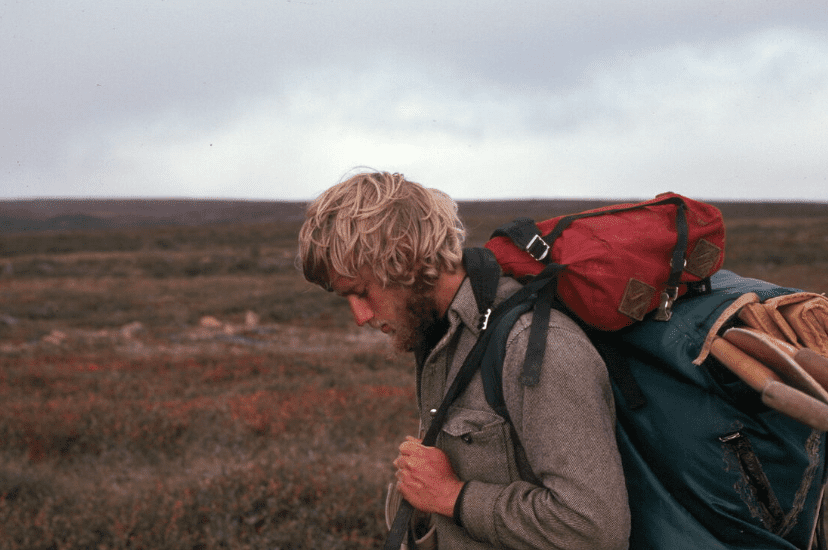
I first came to Great Slave Lake in July of 1977, when I was twenty-five. There were eight of us traveling in a twenty-five-foot-long North canoe, which we’d brought 225 miles up the Mackenzie River from Fort Simpson, before paddling to Reliance, at the eastern end of Great Slave Lake. Our final days on the lake took us into McLeod Bay, and of that time I recall the endless, metronome-like cadence of our paddle-strokes: eastward through the great sweep of aquamarine water, with the dark scarp of the Kahochella Peninsula rising twelve miles to the south. It was Canadian Shield country—warm and summer sun-soaked, stirred by winds that made travel tedious and occasionally dangerous. Gunmetal gray and pink-banded igneous rock, pockets of gray-green lichen and dark-green spruce, paper birch trunks electric white, their leaves glistening brilliant green, Herring Gulls and Osprey overhead, a plague of flies in all the right places, the acidic smell of Labrador tea in protected hollows. On August 3rd we camped near the Hoarfrost River, and in the morning covered the final miles to the Reliance weather station, where we resupplied. Three days later, six of us headed into the Barren-lands, bound for a winter on the Thelon River. After ten weeks of constant motion, we settled in at Warden’s Grove for almost a year, before continuing to Hudson Bay and our journey’s end.
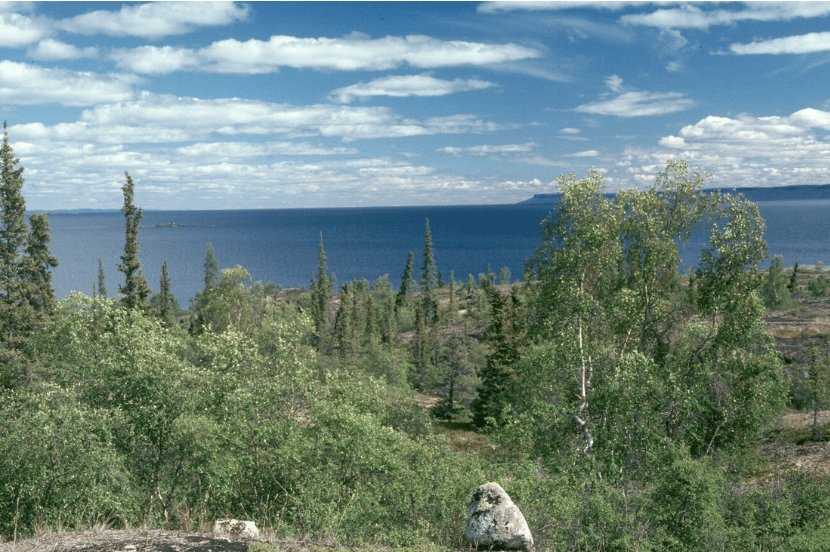
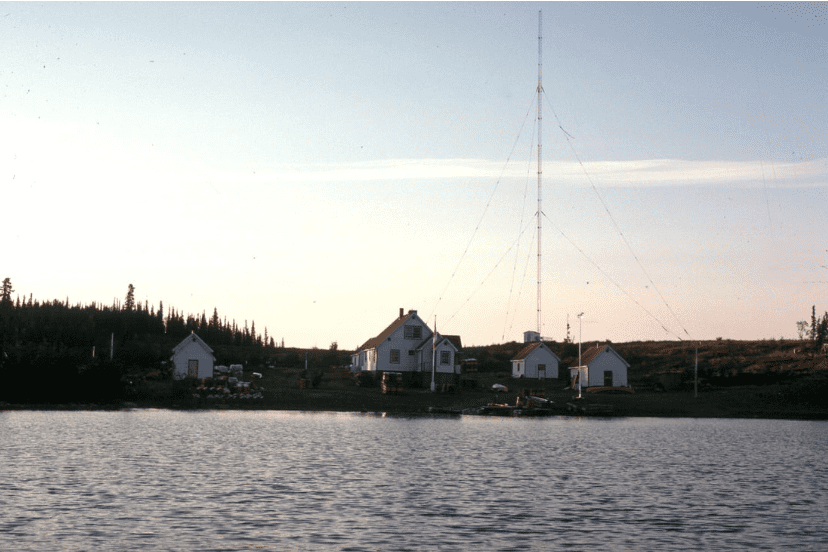
Between 1989 and 1991 I returned to McLeod Bay six times. My locus still was Warden’s Grove, although I was after Harris’s Sparrows and a PhD in ecology, rather than long days in a canoe and a longer winter on the Thelon. My visits were short—most just refueling stops in Reliance, although in July 1989 my chartered plane landed near the mouth of the Hoarfrost River, so that I could meet Dave Olesen. Dave was a landed immigrant from Minnesota who had purchased the only parcel of private land on MacLeod Bay. In 1987 he’d moved north from the States, intending to make a life there, fifty miles from the nearest settlement at Snowdrift (now Lutselk’e). Dave was my primary emergency contact while I chased Harris’s Sparrows, and we talked once per week via two-way radio. And then in May 1991 poor weather led another pilot to drop my brother-in-law and me off at the Hoarfrost, where we spent four days before flying into Warden’s Grove. While waiting for a break in the weather we ran sled dogs on the still-solid lake ice, relaxed in the sauna, swapped stories about the North, and talked of commitment, Dave having married Kristen Gilbertson in 1989, shortly after we first met.
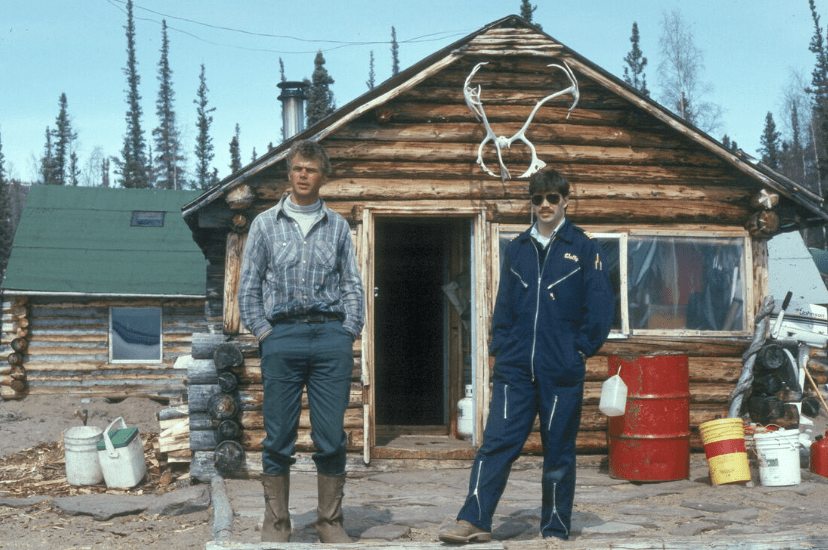
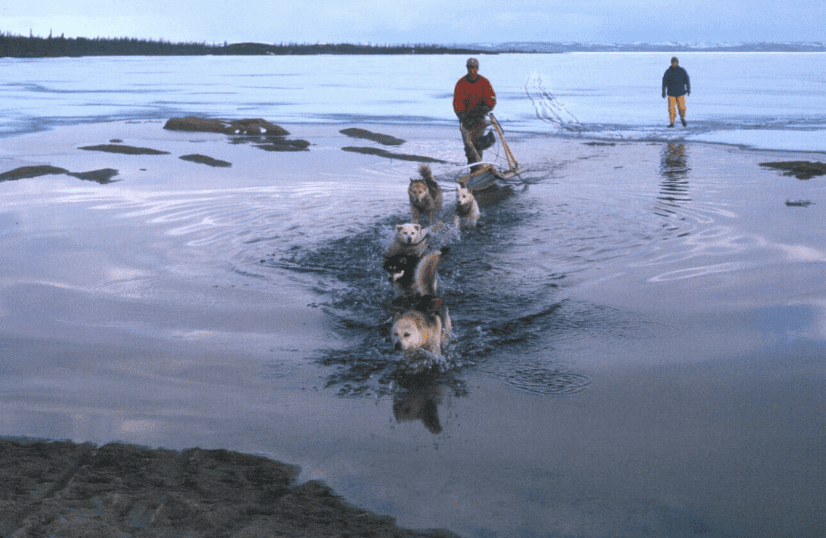
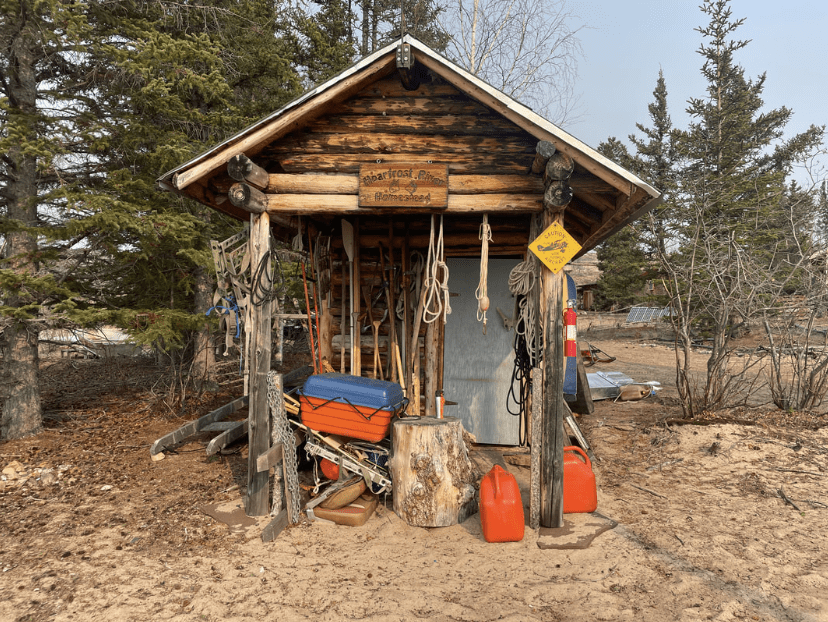
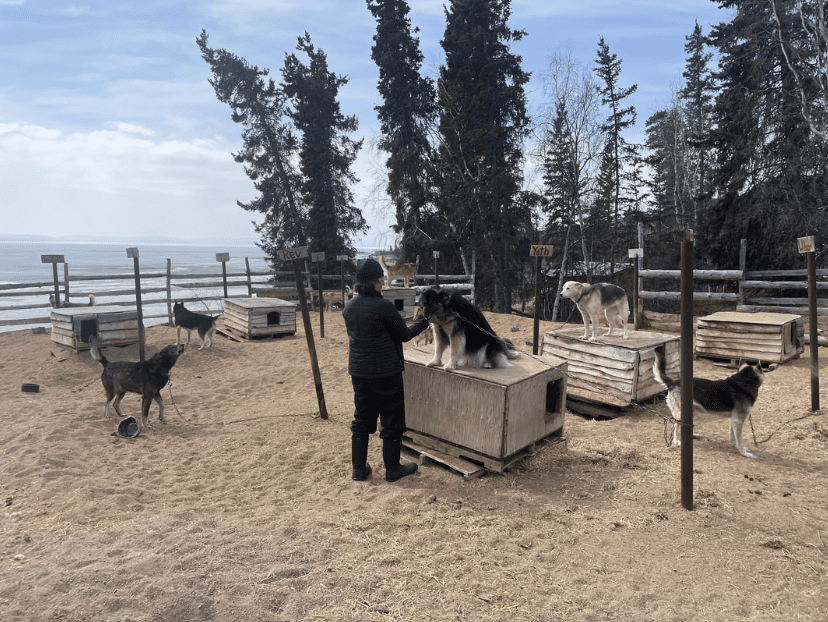
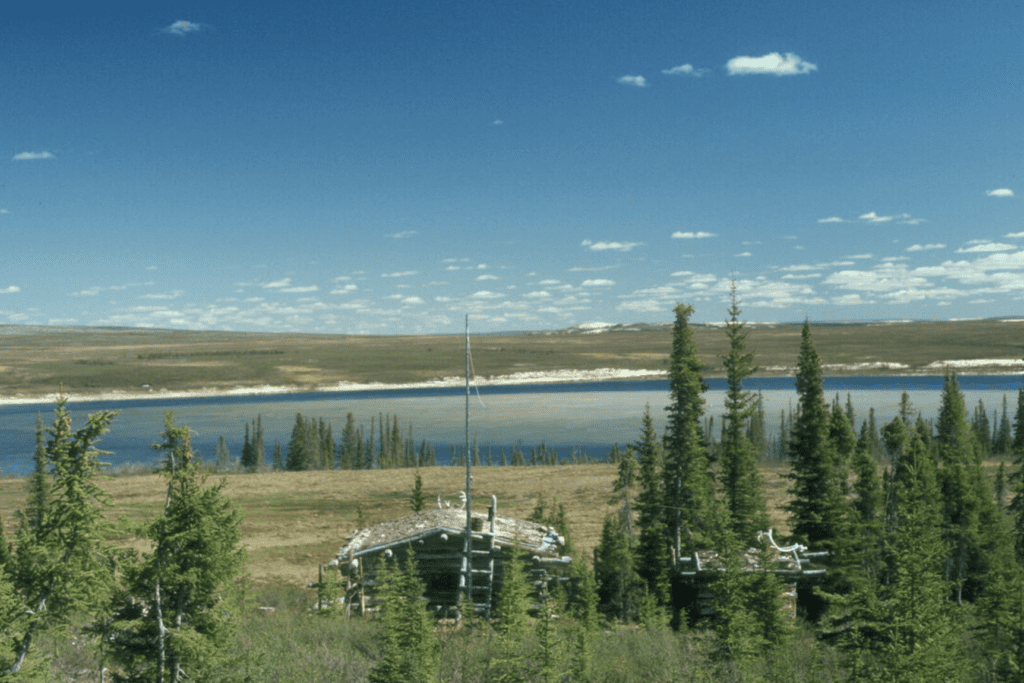
Kristen was gone during our 1991 visit, but “Dave’s place” had become “Dave and Kristen’s place,” and since then they’ve built a life by the Hoarfrost—driven by vision and commitment, but I suspect also by life’s contingencies. They’ve kept and raced sled dogs, established an outfitting business, operated a small charter air service, and raised two daughters, Annika and Liv (now 28 and 25). They ran the Iditarod eight times before giving up dog racing in the early 2000s, led groups down Arctic rivers and deep into northern winters. They built a three-story log home and guest cabin, watched both burn in a 2014 wildfire, then replaced them with two beautiful octagonal buildings. They’ve lived with the seasons, each unique but set against the predictable waxing and waning of the northern sun. The flux of light at each winter and summer solstice is a pivot, on which all else turns: the movement of caribou, moose, muskoxen, wolves and bears; freeze-up and break-up of ice on McLeod Bay; the explosion of plant growth each spring and then its senescence as summer slides into autumn; and also human activity. On and on, the seasons and the years, the pleasure and beauty, dangers and challenges, sacrifices and rewards. It would be facile to idealize the Olesen’s life, while ignoring the times when they brushed hard up against death, or the demanding, back-breaking physicality of it all, plus the emotional stress caused by financial and other uncertainties. Dave told me that they had “worked our asses off to be here,” which is worth remembering and respecting.
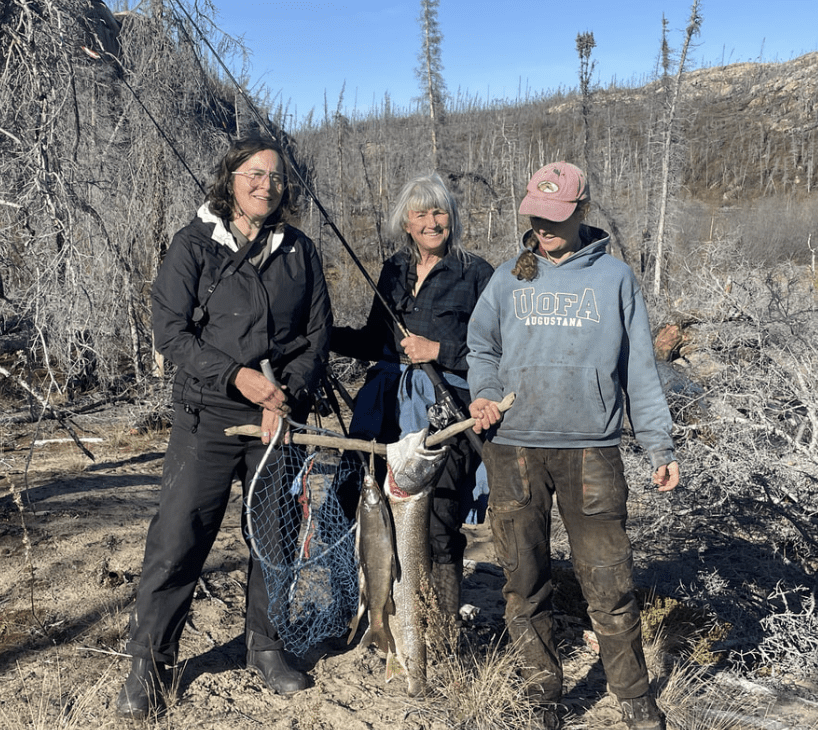
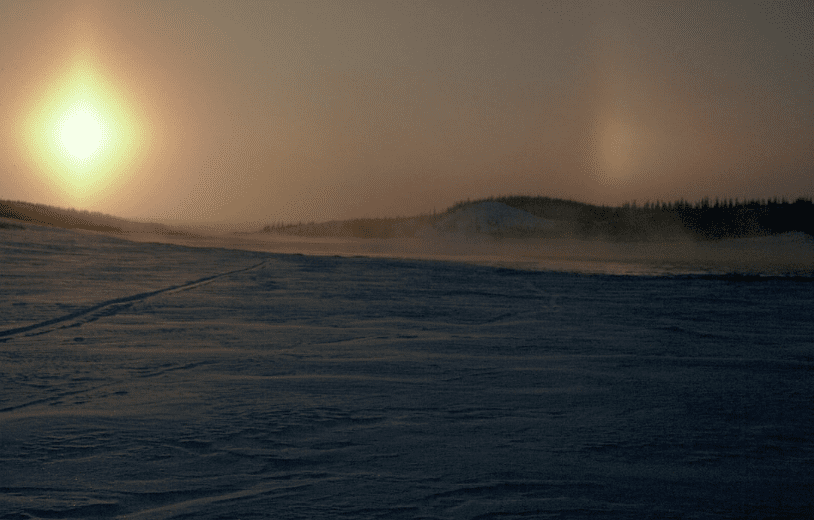
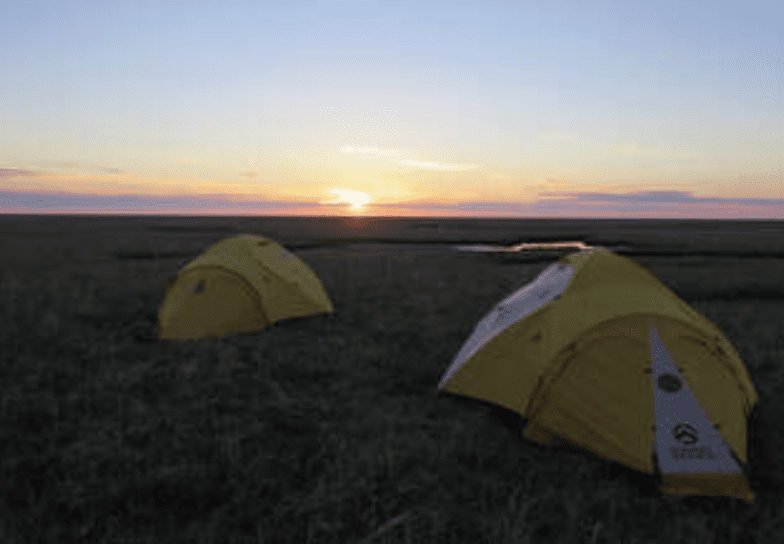
June 2017, western Alaska.
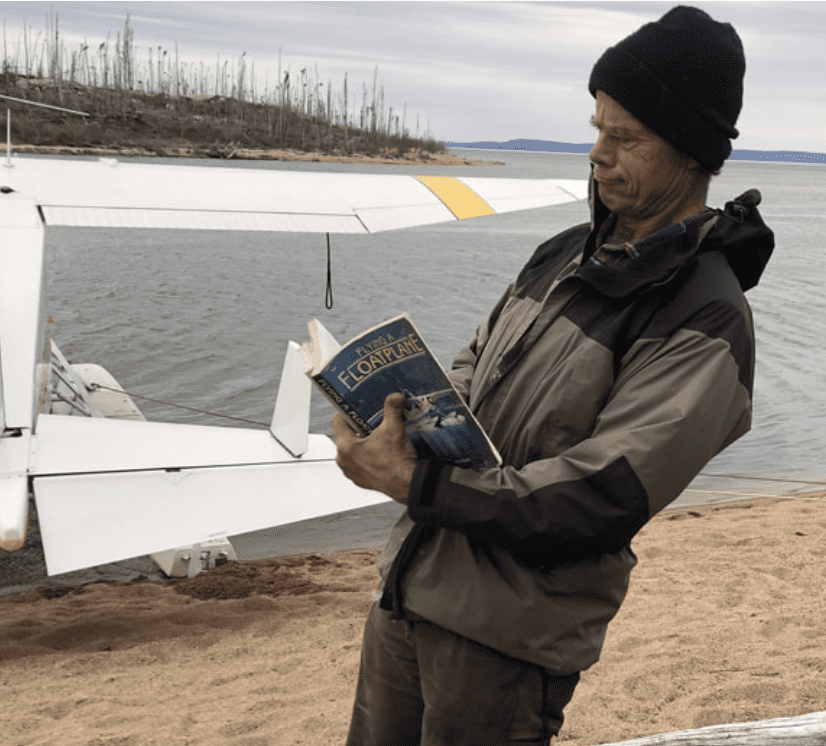
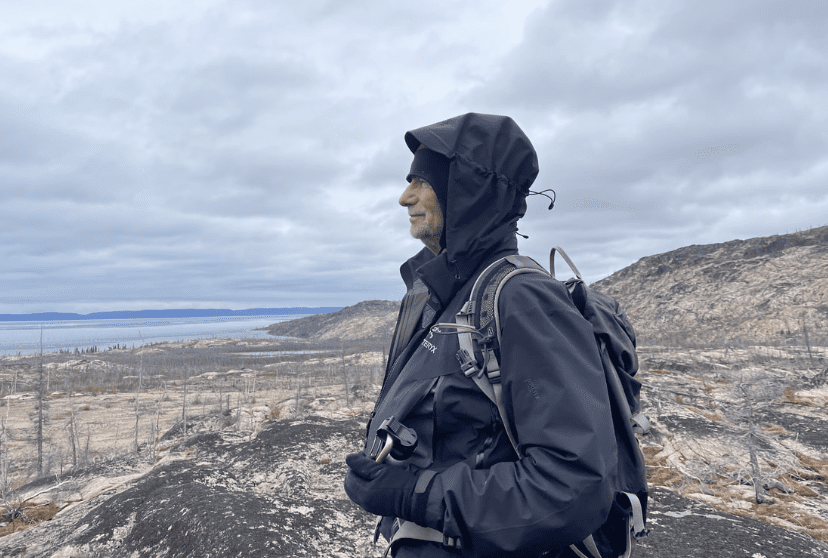
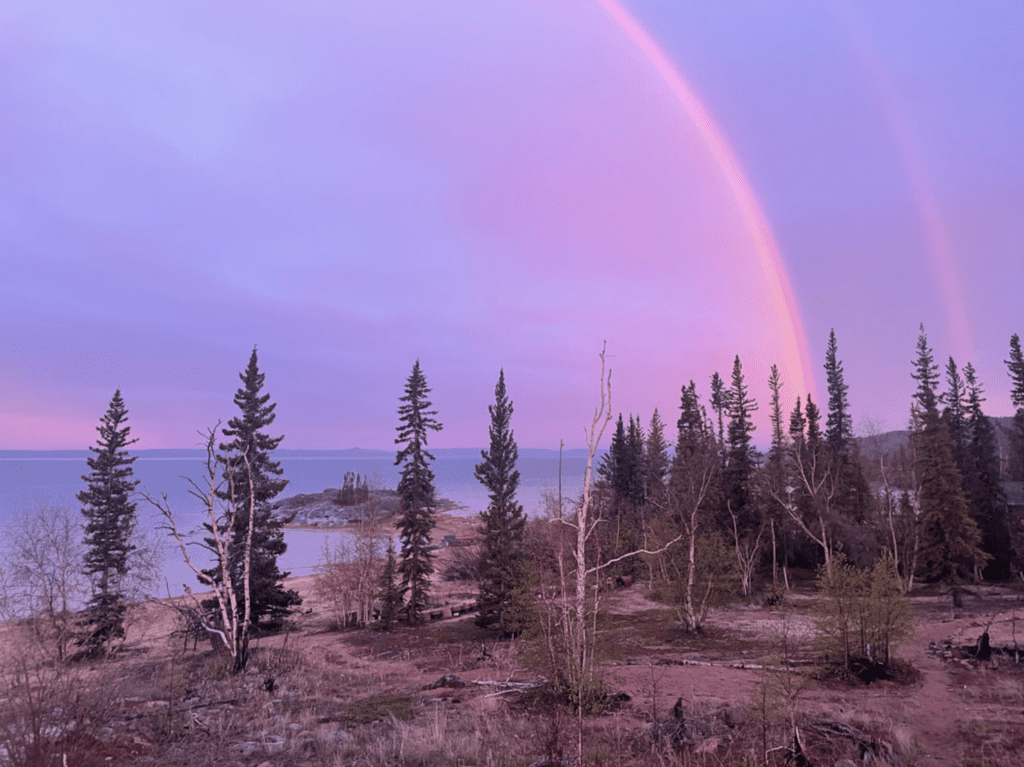
I’ve been considering these things—the country around Reliance, a long-ago canoe trip, the Olesen’s life on the land, and time’s passage—because Eli and I recently spent four weeks as their guests on the Hoarfrost. No canoe trip or research project motivated our visit— just my desire to revisit the Canadian North and spend a solid chunk of time with Dave and Kristen (and as it turned out, their daughter Annika). Plus, Eli had never been North, and I wanted to share that country with her. We did not travel far from their homeplace—never more than ten miles, and then only on one hiking trip into the high country behind McLeod Bay. We mostly stayed within three miles of the Hoarfrost, and our days were quiet: time to write and read, for cups of tea by the wood stove, and helping with chores (cutting wood, hauling water, clearing trail, cooking, picking up poop deposited by twenty-nine dogs). We poked about, birded, botanized, wandered. Summer solstice approached, and with it that intoxicating pulse of light as midnight dark faded into civil twilight. Dave flew us into the Hoarfrost on skis and we landed on ice that extended to shore. But by our stay’s end the ice had weakened and retreated, and we left on floats. The first plants—sedges—flowered on May 19, and as birch leaf buds burst and the last snow melted, green colonized the land. When we first arrived, small flocks of Tundra Swans were visiting the mouth of the Hoarfrost; then came pulses of geese, shorebirds on the sandy flats, and songbirds that breed beyond Great Slave Lake: most were there for a few days and then disappeared. Summer residents—other than species like American Robins, which were there when we arrived—appeared: Yellow Warblers, Harris’s Sparrows, Gray-cheeked Thrushes. The resident female Osprey laid eggs in late May, and soon the pair was incubating.
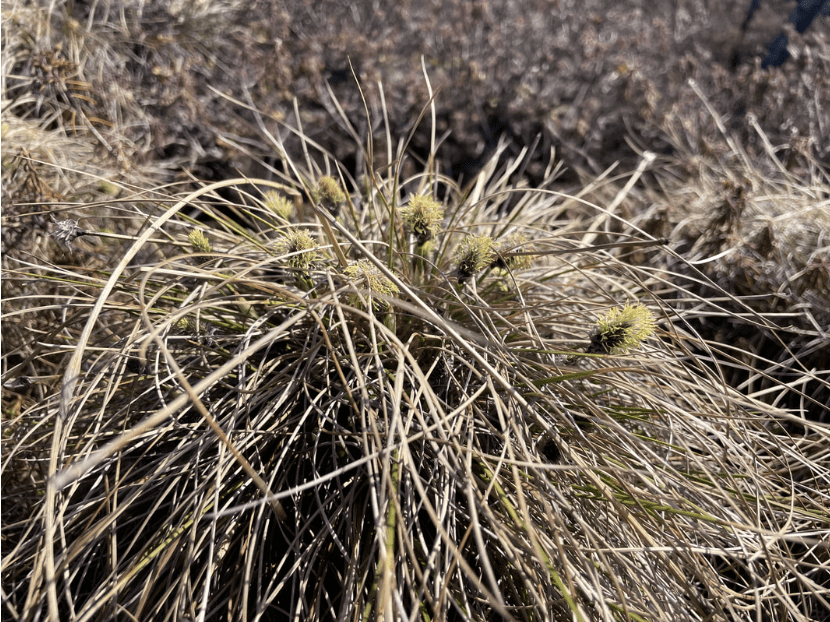
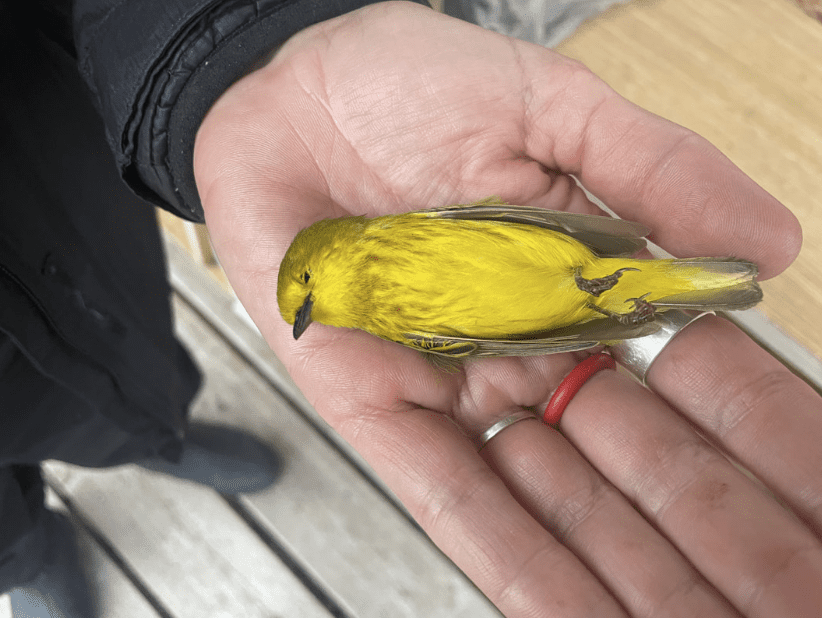
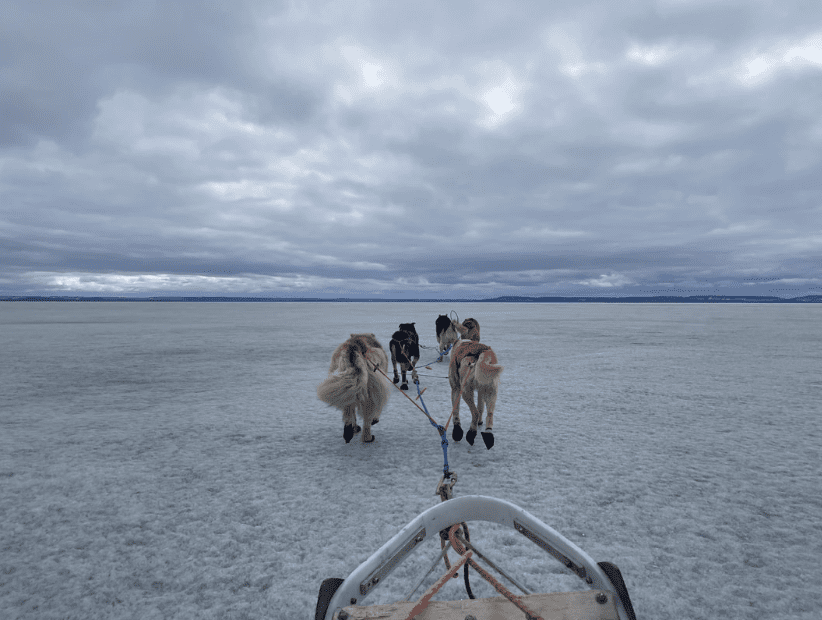
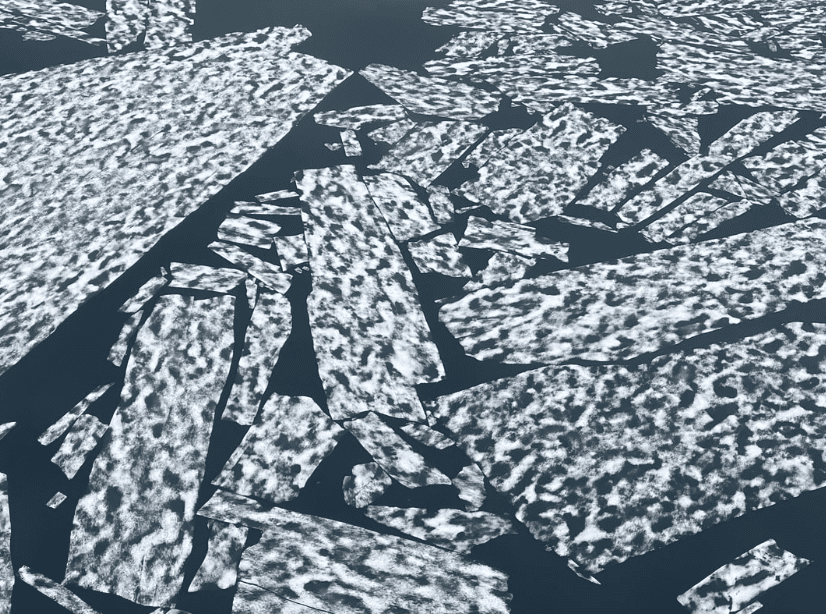
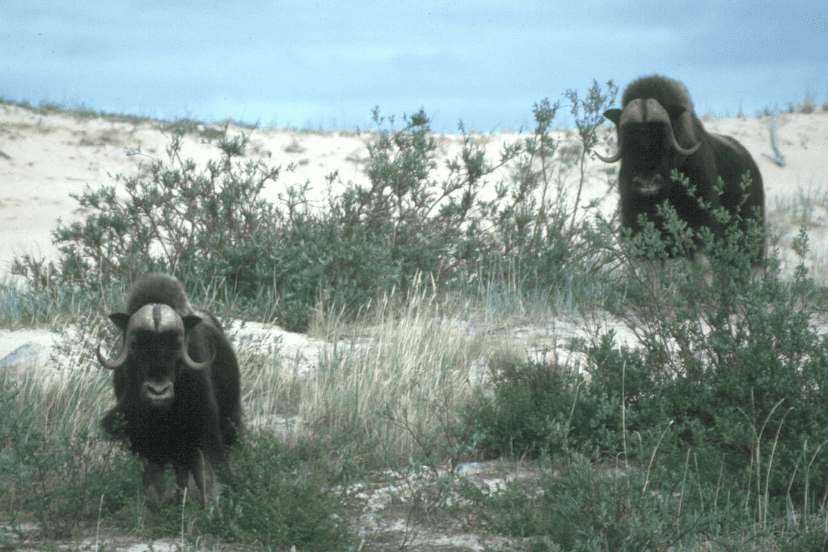
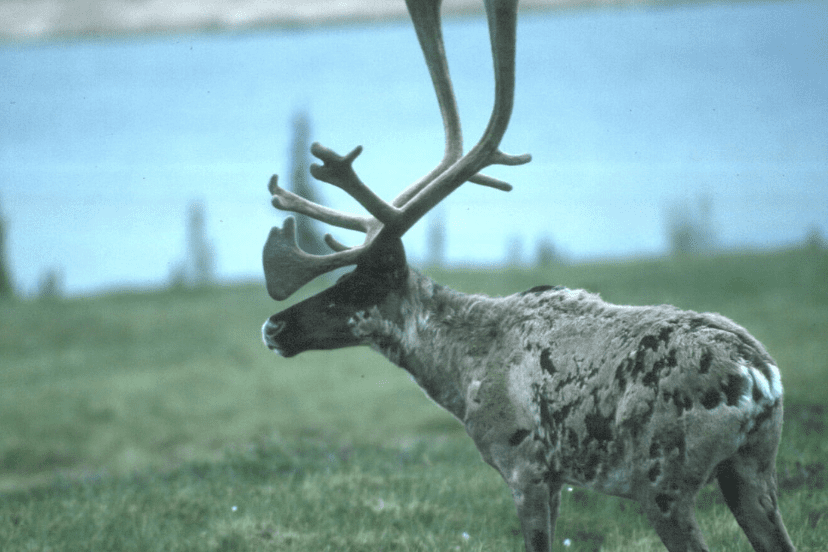
These phenological patterns were broadly predictable, but not necessarily in their 2024 iterations: four springs at Warden’s Grove (far to the northeast, but still sunk deeply in northern patterns) taught me that each year tracks its own course, and no season is entirely “typical.” Freeze-up and break-up vary, as do water levels, which in May of 2024 approached their lowest point since Dave and Kristen came to the Hoarfrost. In terms of animals, migratory barren-ground caribou numbers—at least those north of Great Slave Lake—are down, but muskoxen populations are increasing, as those Pleistocene beasts spread south into the boreal forest, while moose expand farther into the tundra. And around the Hoarfrost, bears—both black and brown (grizzly)—are less common than they once were, likely due to the 2014 fires. (As with so much of the boreal world, the Northwest Territories are burning. There’s a lot of annual variability, but 2014 and 2023 were extreme fire seasons, with huge swaths of boreal forest going up in flames.)
The years pass, and with them come changes in weather (which at some point becomes climate), lake ice thickness, animal populations and movements, wildfires—but also people. In 1977 there were maybe thirty folks living around Reliance and in the less forested country to the northeast. The weather station, which served as a focal point for the small, dispersed community, was manned. Subtract another forty or fifty years and there were more residents around Reliance—enough First Nations people, plus white trappers and prospectors, to warrant a permanent RCMP post. But the RCMP left in 1961 and the weather station became fully automated in 1993. The last full-time residents left Reliance in 2018, and now only Dave and Kristen remain in the area. The country has emptied out.
By many people’s standards, four weeks is a decent chunk of time to spend in one place, being still, watching and listening. Add in the many months that I’ve spent at Warden’s Grove, plus my reading and folks I’ve talked to along the way, and maybe I’ve accumulated enough experience to understand how the country has changed since the 1970s, and how the spring of 2024 looked, relative to other years—but maybe not. There are degrees of knowing and for the most part I’ve just been passing through this part of the world. All my experience suggests—as does my ecological training—that I understand little about pattern and process in the North. I’ve been a tourist rather than a resident. My sense of being a newcomer is captured by something I read while at the Hoarfrost. In Distant Neighbors: the Selected Letters of Wendell Berry and Gary Snyder, one letter contains the following passage: “When we [Wendell Berry and his family] came back to live here [Kentucky] in 1965, I was worried that I was wasting my time and throwing away opportunities, because ‘I’ already knew this place. In fact, I had only begun to know it. And the wonderful thing is that, after being here for another 45 years, I still have only begun to know it.” I wonder if Dave and Kristen sometimes have the same sense about the Hoarfrost and their time there.
“I still have only begun to know it”: I feel that way about northern Canada, but at times I have a similar feeling about the totality of my life—that I’ve just been passing through the days, weeks, years, decades. They’ve all spun by so quickly and I’ve not paid enough attention along the way. My first, brief visit to McLeod Bay and the Hoarfrost River country happened forty-seven years ago. Now, most of the sand has slipped through my hourglass and if I’m lucky (although “lucky” bears some qualification here) those forty-seven years represent roughly half of my lifespan, and more than half of my adult years. There are moments when it’s difficult to remember the person I was back then, even if some incidents from that time and place remain startlingly clear and alive. And as for now: how do I incorporate into what remains of my life the understanding that I’ve gained about the Hoarfrost River country and its patterns, Dave’s and Kristen’s life there, and my own peripatetic wanderings? How can I ensure that I do more than just pass through my final years, no matter what their trajectory?
Ultimately, I suppose that I’m wondering how each of us might be at home in this beautiful but burning world.


Leave a Reply